

👋 Managing Tech Millions 📈 your go-to source for building wealth with tech equity and managing the money that comes with it.
Every Thursday, we'll deliver a concise and powerful lesson on building wealth working for equity compensation or on managing your seven and eight-figure portfolio.


Today, in 5 minutes or less, you’ll learn:
🏗️ Why portfolio architecture matters more than investment selection
🎯 The three asset categories—and the specific job each one does
💡 How YOUR goals determine your blend (not a formula)

Hey Portfolio CEOs,
Last week, I asked you to run the Gratitude Audit.
Look at your portfolio. Answer four questions. See if your money actually matches your “enough” and your purpose.
Most of you found the same thing: a collection of investments with no unifying logic. No architecture. No connection to what you actually want your wealth to do.
This week, I want to introduce the framework that changes that.
Not a formula. Not a prescription.
A way of thinking about your portfolio as a system you design—based on your goals.

Managing Tech Millions is a Weekly Podcast that gives you deep dive conversations into building and growing wealth with myself and other industry experts.
This week, I’m sharing the blueprint I used to generate $200,000+ per year in passive income—while still growing my wealth.
The 97% Problem: Why having most of my wealth tied to one stock nearly ruined me
The Problem with 60/40: How traditional wealth strategies fail high earners
Income + Growth: How to structure your portfolio to generate cash flow without selling assets
Strategic Reallocation: How I replaced risky positions with balanced, long-term investments
Sustainable Wealth: How to create a system that pays you while growing your portfolio

The Architecture Shift
Here’s what I’ve learned after 12 years of building my own portfolio and working with hundreds of tech professionals:
Most people think portfolio management is about picking the right investments.
Should I buy this stock? Is real estate a good idea? What about crypto?
That’s the wrong starting point.
It’s like asking “what color should the walls be?” before you’ve designed the building.
The ultra-wealthy don’t start with investment selection. They start with architecture.
What do I need this portfolio to DO? What job does each dollar need to perform? How do the pieces work together?
Architecture first. Investments second.
Without architecture, you end up with what most tech professionals have: a collection of random investments that made sense in isolation but don’t function as a system.
With architecture, every investment has a specific job. And the whole thing works together to achieve YOUR goals—not someone else’s formula.
Three Categories, Three Jobs
Every investment you own falls into one of three categories.
Each category behaves differently. Each serves a different purpose. Understanding these categories is the first step to designing a portfolio that actually does what you need.
Category 1: Capital Preservation
The job: Protect your wealth. Provide liquidity. Minimize volatility.
How it behaves: Low risk, low return. Stable. Accessible.
What belongs here: Treasury bills, high-yield savings, money market funds, short-term bonds.
Expected returns: 3-5% (essentially inflation protection)
When you’d weight toward this:
You need liquidity for a major purchase or transition
You want dry powder for opportunities
You’re protecting a baseline that can never be at risk
You sleep better knowing a portion is untouchable
Category 2: Capital Income
The job: Generate cash flow—without selling assets.
How it behaves: Moderate risk, predictable distributions. You receive money regularly.
What belongs here: Rental real estate, REITs, private credit, dividend stocks, business distributions.
Expected returns: 6-10% cash yield
When you’d weight toward this:
You want to replace or reduce dependence on your W-2
You’re building toward “enough” that funds your lifestyle
You value predictable cash flow over paper appreciation
Freedom now matters more than maximum growth later
Category 3: Capital Growth
The job: Build wealth through long-term appreciation.
How it behaves: Higher risk, higher potential return. Volatile. You don’t receive cash—you watch it (hopefully) grow.
What belongs here: Growth stocks, index funds, private equity, venture capital, company stock.
Expected returns: 10-15% annually (through appreciation)
When you’d weigh toward this:
You’re building for the long term or future generations
You don’t need income from your portfolio right now
You can tolerate volatility because your timeline is long
Maximum wealth accumulation is the priority
Your Goals Design Your Blend
Here’s where most financial advice gets it wrong.
They give you a formula. “You should be 60/40.” “At your age, do 80/20.” “The target is X.”
That’s backwards.
The right blend isn’t determined by a formula. It’s determined by what you need your portfolio to DO.
Want freedom from your W-2 sooner? → Income needs to be a bigger part of the mix.
Building wealth for future generations? → Growth takes priority.
Protecting a baseline that can never be at risk? → Preservation gets a larger allocation.
Need all three? → You architect a blend that balances them based on YOUR priorities.
This is what I mean by “every investment has a specific job in your portfolio.”
When you understand the three categories, you stop asking “is this a good investment?” and start asking “what job would this do in my system—and do I need that job filled?”
The Common Pattern (and Why It Creates Anxiety)
When I look at most tech professional portfolios, here’s what I see:
Almost everything is Growth. Company stock, index funds, maybe some crypto.
Little to nothing in Income.
Preservation is an afterthought—maybe an emergency fund in a checking account.
The result?
Millions in net worth. Zero cash flow. Still completely dependent on the W-2.
That’s why you feel anxious despite having wealth.
Your portfolio doesn’t produce anything. It just sits there, appreciating (hopefully), while you wait for “someday when I sell.”
If your goal is freedom—actual freedom—then Income needs to be part of the architecture.
Not because I’m prescribing a percentage. Because that’s what the Income category does. It generates the cash flow that funds your life.
If freedom isn’t your goal yet? Fine. Weight toward Growth. But do it intentionally—not by default.

From Random to Intentional
Last week you diagnosed the gap. You saw that your portfolio doesn’t reflect your “enough” or your purpose.
This week you have a new lens.
Instead of looking at your portfolio as a list of investments, look at it as three categories:
How much is in Preservation? (Protecting and providing liquidity)
How much is in Income? (Generating cash flow)
How much is in Growth? (Building for the future)
Then ask: Does this blend match my goals?
If you want freedom but have 0% Income—there’s a mismatch.
If you want safety but have 0% Preservation—there’s a mismatch.
If you want growth but it’s all sitting in cash—there’s a mismatch.
Your goals design your blend. The categories are tools. You’re the architect.
What’s Next
This is the foundation. The concept of asset categories and the three jobs your portfolio can do.
In coming newsletters, I’ll go deeper:
What specific investments fit each category
How to transition from Growth-heavy to a more balanced architecture
How your blend might shift as your wealth and goals evolve
How this connects to your Legacy Statement and Investment Thesis
But it all starts here. With understanding the categories.
Stop asking “what should I buy?”
Start asking “what do I need my portfolio to DO—and which category does that?”
That’s how you move from random investments to intentional architecture.
Here’s to building your Micro Family Office,
Christopher
P.S. If you want help figuring out YOUR right blend—based on your “enough,” your purpose, and your goals—that’s exactly what we work on in the WealthOps Accelerator. We’re opening enrollment in January for a small group of tech professionals ready to architect their portfolio intentionally.

Join me for The WealthOps Way—our free live masterclass designed to help you stop guessing and start running your wealth like a business.
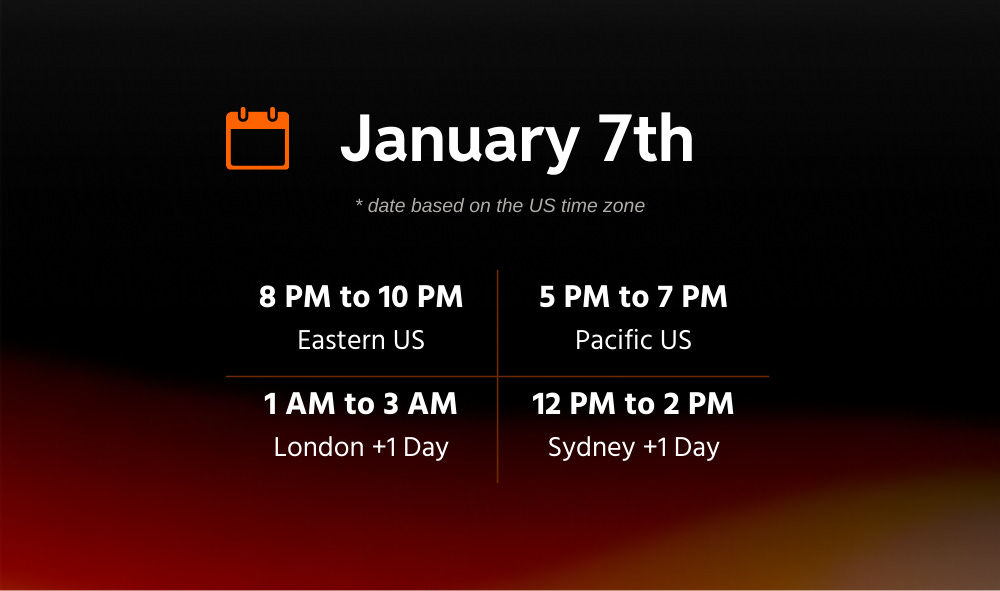
Let’s build your portfolio like it’s your next great company!

If you like the newsletter, support us by letting us know what you think (one click); please do that now!
PS...If you're enjoying Managing Tech Millions, please consider referring this edition to a friend.
And whenever you are ready, there three ways I can help you:
Follow me on LinkedIn: Get more insights and real-time updates.
Tune into the Podcast: Dive deeper into wealth strategies and interviews.
Get in Touch: Ready for a bigger move? Let’s talk.

Disclaimer: This newsletter is for informational purposes only and does not constitute financial or career advice. Always consult with qualified professionals before making any decisions based on the information provided.