

👋 Managing Tech Millions 📈 your go-to source for building wealth with tech equity and managing the money that comes with it.
Every Thursday, we'll deliver a concise and powerful lesson on building wealth working for equity compensation or on managing your seven and eight-figure portfolio.


Today, in 5 minutes or less, you’ll learn:
✍️ Why one sentence is all you need to start
🤔 The reflection prompts that surface your Legacy Statement
🚶 How to create the conditions for real clarity

Hey Portfolio CEOs,
In 2016, I was a Chief Information Officer at a flashy startup.
On paper, I was winning.
In reality, I was spending Friday nights in a glass office while my kids grew up without me.
I had wealth. I had investments. But I had no direction.
My portfolio was a hobby, not a business. I was investing without purpose—reacting to whatever came across my desk, treating it like a side project I’d get to “when I had time.”
Then I wrote one sentence:
“I want financial independence so I can spend more time with my family.”
That’s it. Fourteen words.
And something unexpected happened.
That sentence breathed life into what had been a lifeless collection of accounts. Suddenly, my portfolio wasn’t just “my investments.” It was a business with a mission.
And once it had a mission? I gave it equal priority as my vocation.
Think about that. Before the sentence, my portfolio was a side project—something I’d get to eventually. After the sentence, it became a business I ran with the same discipline, the same focus, the same energy as my career.
That’s what changes everything.
Not just the clarity (though that helps). Not just the strategy (though that matters). The real shift happens when you write something down and think: “I want to live that.”
When your wealth has a mission you actually care about, you stop treating it like a hobby.
You start treating it like what it is: a business that deserves your attention.

Managing Tech Millions is a Weekly Podcast that gives you deep dive conversations into building and growing wealth with myself and other industry experts.
This week, I’m explaining why most people should not build their own wealth management infrastructure—and how knowing that can save you from a costly mistake.
Not for Everyone: Why managing wealth like a business only works for a very specific profile
The Five Deal-Breakers: The conditions that turn power into friction instead of freedom
Active vs. Passive Ownership: Who should stick with traditional advisors—and who shouldn’t
Evergreen vs. Drawdown: The critical difference between selling assets and funding life with income
A Clear Reality Check: How to decide if this model truly fits your goals, time, and mindset

You Don’t Need a Document. You Need a Sentence.
When people hear “Legacy Statement,” they think it’s some formal, polished, multi-page document.
It’s not. At least, it doesn’t have to start that way.
My first Legacy Statement was one sentence scratched in a notebook.
Today, years later, it’s evolved into something more comprehensive:
“To have the time freedom to walk alongside my three sons as they grow from boys to men. After they’ve launched, my wife and I are financially and geographically free to pursue our personal purposes.”
But I didn’t start there. The details came over time.
What matters is having SOMETHING—a mission that makes your portfolio worthy of your time and attention.
Without it, every investment opportunity is a negotiation. Every financial decision is a debate. You’re running a mission-less corporation with your own money. And mission-less things don’t get priority.
With even one sentence—one sentence that makes you think “I want to live that”—everything changes.
The Reflection That Surfaces Your Statement
You can’t write your Legacy Statement sitting at your desk between Slack messages.
You need a different environment to access a different kind of thinking.
Here’s what I recommend:
Change of pace + change of location = change of perspective.
Go for a walk. Sit by water. Find a quiet coffee shop. Take a long drive. Get out of your normal headspace.
Bring a notebook or use voice memos. Don’t type—there’s something about pen and paper (or speaking out loud) that surfaces answers your keyboard can’t reach.
Then sit with these prompts:
Prompt 1: Your Values
What principles and values have guided my most consequential decisions to date?
Here’s the insight most people miss: your money values are probably the same values that got you where you are.
Think about the decisions that shaped your career. The risks you took. The things you said no to. The principles you wouldn’t compromise.
Those same values should guide your wealth.
Prompt 2: Your Why
If money were no object—if I had all the financial security I’d ever need—where would I want my family and attention focused?
Don’t say “freedom” or “security.” Those are too generic.
Get specific:
What would you spend your time doing?
Who would you spend it with?
What would you want your kids to learn from watching you?
What would make you proud at 80?
Prompt 3: Your Fear
What’s the one outcome I absolutely want to prevent?
Think about the Vanderbilts. 120 descendants at a family reunion in 1973. Not a single millionaire among them. The wealth evaporated in less than 100 years.
What’s YOUR nightmare scenario?
Kids who feel entitled without contributing?
Family fighting over money?
Wealth that disappears because no one knew how to manage it?
Knowing what you want to prevent is as clarifying as knowing what you want to create.
Start With One Sentence
After sitting with those prompts, write one sentence.
Not a paragraph. Not a document. One sentence that captures your why.
Here are some examples from people I’ve worked with:
“Our wealth exists to give our children the freedom to choose careers based on calling, not salary.”
“I’m building financial independence so I never have to say ‘I can’t afford to be there’ when my family needs me.”
“This money exists to create opportunities my parents couldn’t give me—and to pass that forward.”
Your sentence doesn’t need to be perfect. It needs to be true.
It needs to be something that, when you read it, you think: “Yes. I want to live that.”
That’s the test. Not whether it sounds impressive. Whether it pulls you forward.

What Happens Next
Once you have your sentence, something shifts.
It’s not just that decisions get easier (though they do).
It’s that your portfolio becomes a business with a mission—and you give it equal priority as your vocation.
Before my sentence, wealth management was something I’d “get to eventually.” After my sentence, it was a business I ran with the same discipline as my career.
That’s the real transformation.
When you write a sentence that makes you think “I want to live that”—everything changes. Your portfolio stops being a side project. It becomes a priority.
And that’s when a Micro Family Office is actually born.
Not when you set up entities. Not when you hire advisors. Not when you build spreadsheets.
It’s born the moment your wealth has a mission that matters to you.
Your Assignment This Week
Block 30 minutes. Go somewhere different. Change your environment.
Sit with the three prompts:
What values have guided my biggest decisions?
If money were no object, where would my attention be?
What outcome do I absolutely want to prevent?
Then write one sentence.
Not a perfect sentence. A true sentence. One that makes you think: “I want to live that.”
That’s your Legacy Statement V1. That’s the mission that turns your portfolio into a business worth your time.

Want Help Going Deeper?
If you want to turn that sentence into a full Investment Thesis—with goals, metrics, and asset allocation—that’s exactly what we build in The WealthOps Way workshop.
We take your “why” and translate it into:
A documented Legacy Statement
Concrete financial goals
A portfolio architecture designed around YOUR mission
[Join the next session → wealthops.io]
But start with the sentence. Everything else builds from there.
Here’s to giving your wealth a purpose,
Christopher
P.S. When I wrote that first sentence in 2016—"I want financial independence so I can spend more time with my family"—I had no idea it would change everything. But it did. One sentence breathed life into a lifeless portfolio. It became a business with a mission. And I gave it equal priority as my career. Your sentence is waiting. Go find it.
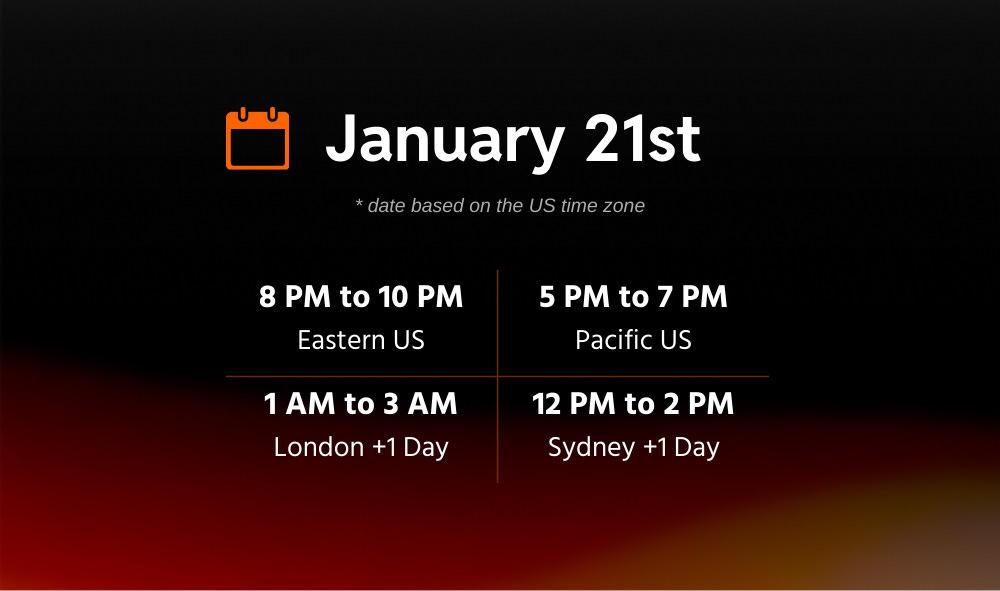
Spots are limited—and the clarity you’ll gain? Game-changing.
Let’s build your portfolio like it’s your next great company!

If you like the newsletter, support us by letting us know what you think (one click); please do that now!
PS...If you're enjoying Managing Tech Millions, please consider referring this edition to a friend.
And whenever you are ready, there three ways I can help you:
Follow me on LinkedIn: Get more insights and real-time updates.
Tune into the Podcast: Dive deeper into wealth strategies and interviews.
Get in Touch: Ready for a bigger move? Let’s talk.

Disclaimer: This newsletter is for informational purposes only and does not constitute financial or career advice. Always consult with qualified professionals before making any decisions based on the information provided.