


👋 Managing Tech Millions by WealthOps 📈 your go-to source for building wealth with tech equity and managing the money that comes with it.
Every Thursday, we'll deliver a concise and powerful lesson on building wealth working for equity compensation or on managing your seven and eight-figure portfolio.


Today, in 5 minutes or less, you’ll learn:
📊 The reframe that turns “money is the problem” into “money is what makes the answer possible”
🎯 Why the architecture you build for your wealth determines what your wealth actually does in the world
🗺️ The single shift that changes how you measure whether your portfolio is working

Hey Portfolio CEOs,
Last month I stood in a courtyard in Cotui, Dominican Republic, watching my three sons run a spelling bee in Spanish.
It was the second day of competition. They’d organized it themselves — worked directly with the teachers and faculty months in advance, designed a two-day format, ran an elimination round on day one to narrow it down to fifteen finalists. Now it was the final round. They were emceeing in Spanish. They were enforcing the rules. They were leading.
Academic competitions don’t really exist in that part of the world. The whole concept was new the first time we came. My boys taught the school how to run a spelling bee that first year — wrote up the instructions, walked the kids through the format, ran the whole thing themselves. This was year two. The school had been waiting for us. Way more participants. Way more energy.
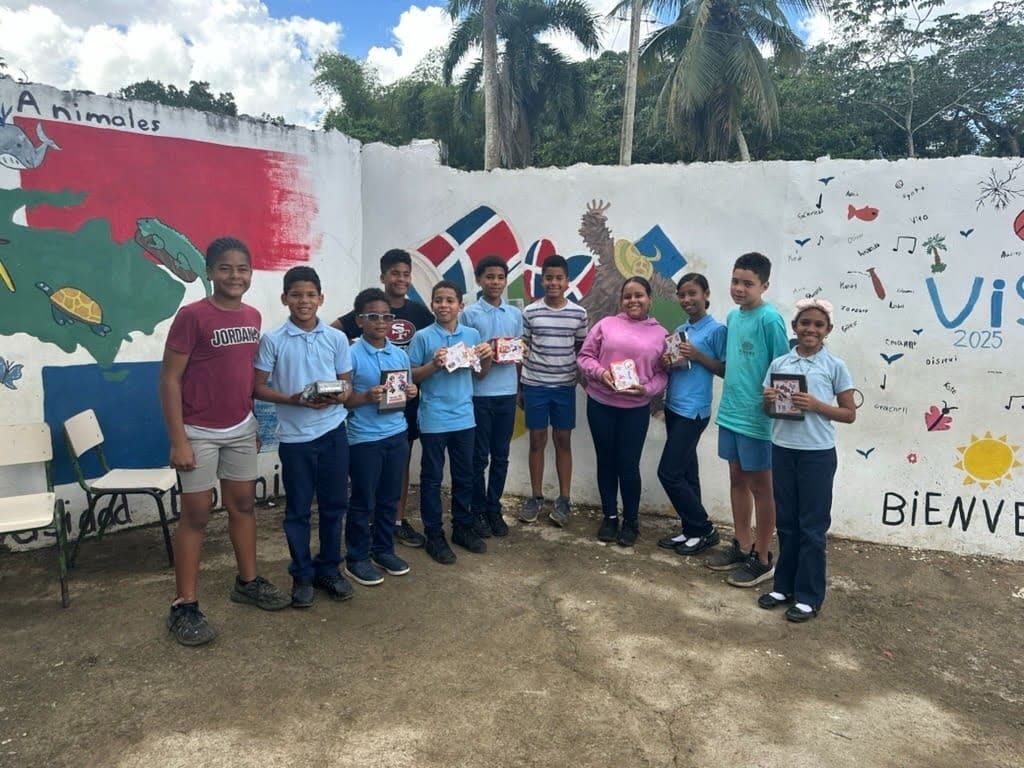
And as I stood there watching them lead in a language they’re still learning, in a country half a world from home, I had this moment of clarity I want to share with you.

Managing Tech Millions is a Weekly Podcast that gives you deep dive conversations into building and growing wealth with myself and other industry experts.
This week, I’m breaking down the real cost to run a family office for investors with $1M–$30M portfolios—and showing you why the net cost might surprise you.
The 3 Types of Family Offices: Single, Multi, and Micro—what each one costs, who it’s built for, and where you actually fit
The Two-Company Architecture: The legal foundation that unlocks everything else, including the Deduction Stack
The Fractional Expert Team: Why you don’t need a $2M staff—you need three core specialists at $10K–$40K/year
Gross Cost vs. Net Cost: How I paid a tax planner $10K and saved $25K in year one—and why the real math changes everything
The Deduction Stack in Action: Layered tax strategies that only unlock once you have the right entity structure in place

The Trip You’re Not Hearing About
This was our third family service trip. Our second time in Cotui specifically. We worked through a service organization that’s been doing this for 30+ years — they originally focused on teen service trips, but they recently started letting families go together. We were one of the early families.
The work was real. We helped build a school room. We painted murals. My older son volunteered for the hard labor when they needed people to swing tools.
But the work isn’t really what it’s about — at least not for me. The work is the surface layer.
The deeper layer is this: my wife and our three sons are with me. We’re spending our days building something with people who are showing up to do the same. Then in the evenings we’re going deeper — meals together, conversations, kids playing. By the end of the week, we have real relationships in this community we’re investing in. That’s two years of relationship now. Year three is already on the calendar in our minds.
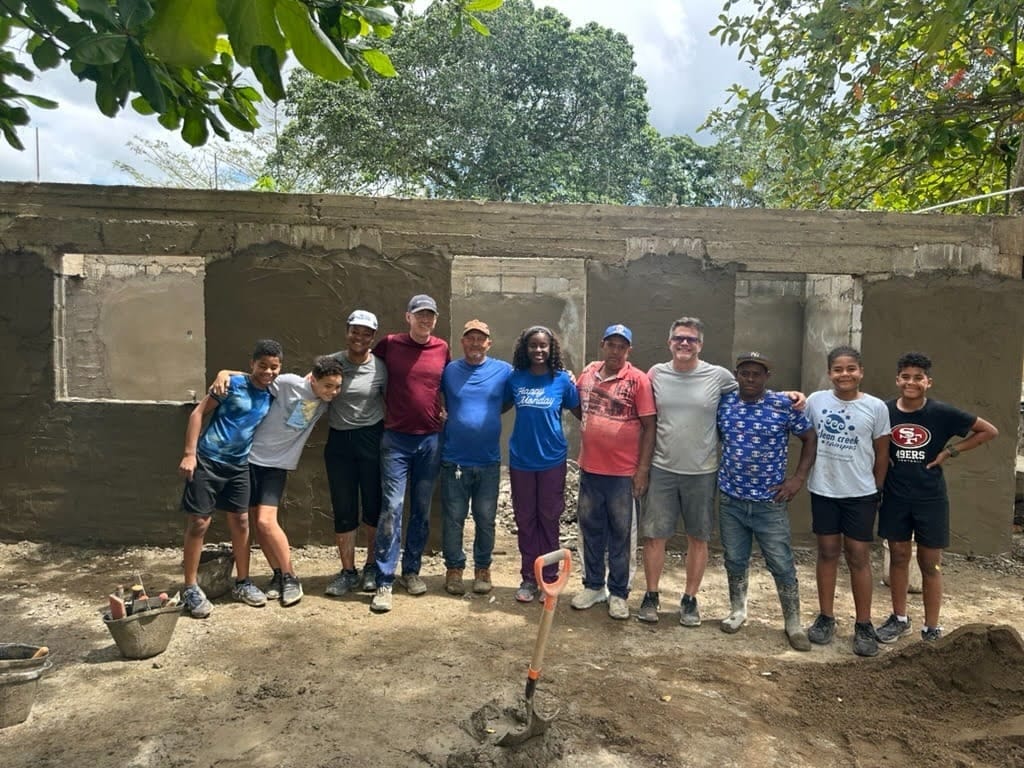
We do these trips for a specific reason. We believe — and we want our boys to believe — that education is one of the clearest paths to personal freedom. If you want to give your wealth a purpose, education is one of the highest-leverage places to put it. And we want them to see that contributing to that isn’t something abstract that happens through a check. It’s something real that happens with your hands and your time and your presence.
We also serve at home. We do work in our own community in the United States — that’s part of the practice too. But the international trips are deliberate. We’re raising our boys trilingual (French, Spanish, English), and going to a place like Cotui means they actually have to use the Spanish. Cultural immersion is part of how we want them to grow up. So when we choose to travel, we choose places where the language and the work both matter.
The Reframe Most People Miss
Here’s what I’ve been thinking about ever since.
When most people hear the word “money,” they associate it with something negative. Greed. Consumption. Excess. The cultural narrative around wealth is mostly cautionary — money changes people, money corrupts, money won’t make you happy.
And if that’s the only narrative you have, building wealth feels morally complicated. You’re either rich and corrupted, or you’re modest and good. There’s no third option.
But there is a third option. And the third option changes everything.
When you build wealth intentionally — when you manage it well, instead of just letting it accumulate — something shifts. The whole orientation of what your money is for moves. From consumption to contribution. From “what can I have” to “what can I build.” From “what does this buy me” to “what does this make possible.”
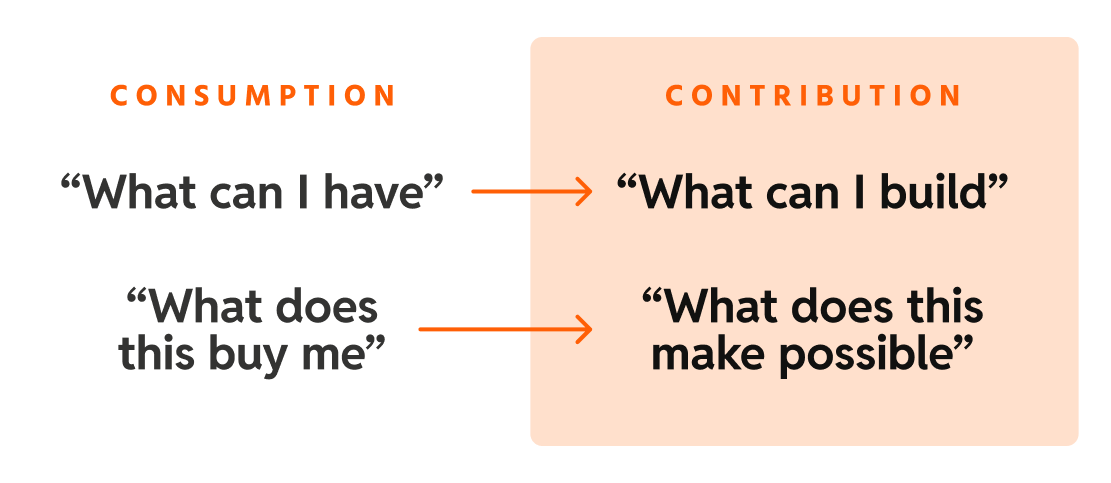
That shift is the unlock.
It’s the difference between writing a check and showing up. Between donating and delivering. Between giving from a distance and being boots on the ground, working alongside the people doing the work. Between “I helped” and “we built this together.”
The third option isn’t about being charitable in the usual sense. It’s about realizing that wealth — done right — gives you the capacity to participate in something bigger than yourself. To create alongside other people. To use your skills, your time, and your presence in places where they matter.
“Money managed well doesn’t pull you toward consumption. It unlocks contribution — and the chance to build something with people you couldn’t have reached otherwise.”
When I was watching my sons run that spelling bee, I wasn’t thinking about my portfolio. I was thinking about how impossible this would have been five years ago. The trip itself, sure — but more than that, the capacity to be there. To be the dad in the courtyard, working alongside teachers and kids in a community that’s now part of our lives, while my own boys led something they cared about. None of us could have created this moment alone. We created it together — our family, the school, the organization, the community. The work was the meeting place.
That’s what “third option” looks like.
What Actually Makes This Possible
A few weeks ago, I wrote about how I discovered the way the ultra-wealthy actually build portfolios — not by accumulating and then depleting, but by architecting three behaviors together (income, capital preservation, growth) into a machine that funds the life you want.
I want to be honest about what that architecture is for.
It’s not for the number on the spreadsheet. It’s not for the security of “having enough.” It’s not even for the lifestyle most people picture when they imagine wealth — the bigger house, the nicer cars, the better vacations.
It’s for showing up and contributing.
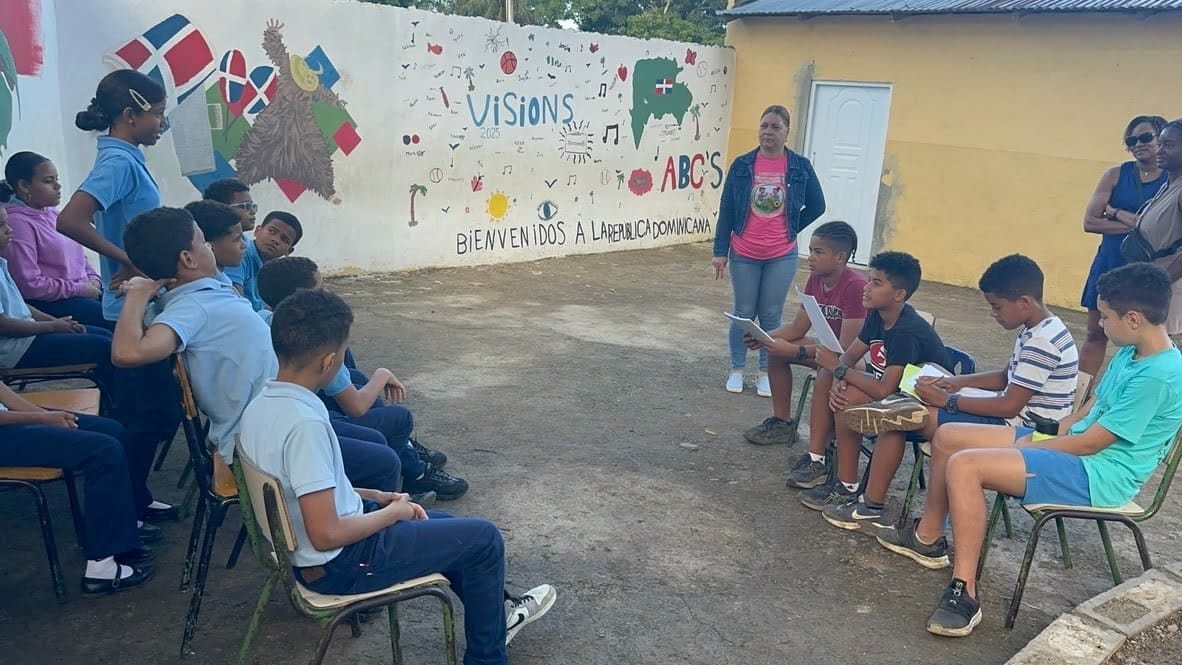
The whole point of building income that doesn’t depend on selling assets — the whole point of structuring preservation and growth around your actual life — is that it gives you back your time, your presence, and your capacity to create. Without an income engine, you’re tied to whatever pays you. With one, you’re free to spend a week building a school in a country you love, with the people who matter to you most, working alongside a community you’re invested in.
That’s what your portfolio is for. Not the pile. The capacity to contribute.
If you’re building a Micro Family Office and you’re getting lost in the spreadsheets — the allocation percentages, the yield targets, the rebalancing — pause for a second and ask: what is all of this actually for?
The answer should be specific. It should be visible. It should be a person, a place, a moment you want to be present for. If it’s just a number, you’re optimizing for the wrong thing.
The Vehicle That Makes This Practical
Here’s something I don’t see talked about enough — and it’s part of why we can do trips like this the way we do.
Most people think of charitable giving as something you do once a year, around tax time. You write a check, you get a receipt, you move on.
The ultra-wealthy don’t give that way. They use giving vehicles — structures that let you fund a charitable account in advance, get the tax benefit immediately, and then distribute the money over time as opportunities come up. The most common starting point is a donor-advised fund (DAF).
Here’s why it matters for trips like Cotui: instead of paying out of pocket and hoping to deduct it later, you fund the vehicle once — ideally with appreciated assets from your portfolio, which lets you avoid capital gains and get the deduction. Then when a trip comes up, when a school needs supplies, when the organization that hosts you needs support — the money is already there. Already deductible. Already working.
That’s the difference between charitable intention and charitable infrastructure.
We teach the full giving vehicle stack inside WealthOps — there’s more than just DAFs, and there’s a sequence to how you use them depending on your goals. But the DAF is the entry point every family doing meaningful contribution should understand.
It’s the difference between giving being a hassle and giving being a system. And if your goal is to actually show up — year after year, with your family, in places that matter — you need the system, not just the intention.
From Heir to Steward
Here’s what I think the spelling bee actually was. And why I haven’t been able to stop thinking about it.
It wasn’t a cute family moment. It was succession in action.
There’s a real difference between an heir and a steward. An heir is someone whose name appears in a document. They inherit a number. They receive what was built by someone else, and at best they protect it. At worst, they consume it. (Look at the Vanderbilts. Three generations to lose a fortune that should have lasted ten.)
A steward is something else entirely. A steward is someone who’s been trained to think about capital — and what capital can do — as part of a bigger purpose. They’ve been in the room when decisions get made. They’ve done the work. They’ve watched someone they trust use wealth in service of something real. They understand that what they’re inheriting isn’t just money. It’s a way of thinking about money.
You don’t get a steward by accident. You get one by training one.
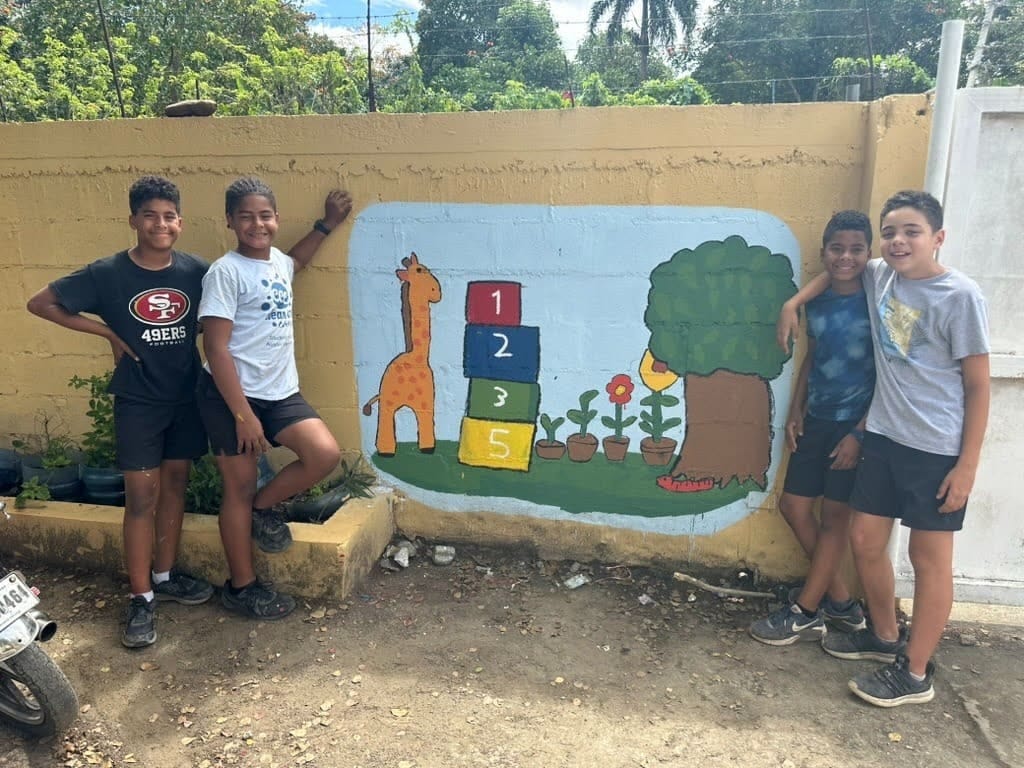
That spelling bee was training. Watching my boys negotiate with the teachers, design the format, run the elimination round, lead the finals in their second language — all of that is succession. Not in the legal sense. In the operational sense. They weren’t doing chores. They were learning what it feels like to lead something that matters, in a place where their effort could be felt by other people.
That’s what we’re actually building when we do these trips. Not vacations. Not even charity in the usual sense. We’re building a multi-generational practice of using wealth for purpose — and a generation that knows what to do with what they’re going to inherit.
This is the part of family office work most people skip. They build the architecture. They optimize the portfolio. They draft the estate documents. And then they hand it all to kids who’ve never been in the room and have no idea what any of it is for.
The work isn’t to leave more money behind. The work is to leave a generation that knows how to use it.
The Continuity
When my boys were nine, my wife and I took them to Uganda instead of Disneyland. That was the first one. That trip planted the seed — the idea that experiences in service of others would shape them in a way that consumption never could.
The Dominican Republic trips have continued that thread. Cotui year one. Cotui year two. And now we’re already asking the next question: what’s possible? How can we go deeper?
That’s the question I want every Portfolio CEO to be asking. Not “how much do I need?” Not “when can I retire?” But: what’s the life I want my wealth to make possible — and am I building toward that, or away from it?
Because the architecture is just the architecture. What matters is what it unlocks.
Key Takeaways
The shift is from consumption to contribution. Wealth’s bad reputation comes from associating it with greed and excess. But built intentionally, wealth unlocks the opposite — the capacity to show up, contribute, and create alongside people you couldn’t have reached otherwise.
The next-generation work is from heirs to stewards. An heir inherits a number. A steward inherits a way of thinking about money. You don’t get the second by accident — you get it by training one, in real situations, with real stakes.
Contribution and succession both need infrastructure. Giving vehicles like donor-advised funds turn charitable intention into a system. Family practices like service trips turn the next generation from passive inheritors into active participants. Both require architecture, not just intention.
Your Action This Week
This one’s not a worksheet. It’s two questions.
First: What’s the trip, the moment, the act of showing up that your wealth is supposed to make possible? Be specific. Not “freedom” or “security.” The actual thing. The actual person. The actual place.
Second: Who from the next generation is going to be there with you — and what are you doing now to train them for it?
If you can’t answer both, your architecture isn’t pointed at the right thing yet.
Let’s keep building.
—Christopher
P.S. We’re already talking about year three in Cotui. And the boys are already asking what other countries we should go to next. They’re asking. That’s the answer to “is the architecture working?” — not the number on the spreadsheet.
Go Deeper
The architecture behind it: I Discovered How the Ultra-Wealthy Actually Build Portfolios — the three-layer model that makes everything in this issue possible.
Live workshop: The Micro Family Office Blueprint — free, 2 hours. Walk through how to architect a portfolio around the life you actually want.
This is education, not advice. Learn the systems, don’t copy blindly.

Join me for The Micro Family Office Blueprint—our free live workshop designed to help you stop guessing and start running your wealth like a business.
You’ll go from scattered to strategic as you craft your own Portfolio Thesis—the foundation of everything that follows.
Spots are limited—and the clarity you’ll gain? Game-changing.
Let’s build your portfolio like it’s your next great company!

If you like the newsletter, support us by letting us know what you think (one click); please do that now!
PS...If you're enjoying Managing Tech Millions, please consider referring this edition to a friend.
And whenever you are ready, there three ways I can help you:
Follow me on LinkedIn: Get more insights and real-time updates.
Watch on YouTube: Dive deeper into wealth strategies and interviews.
Get in Touch: Ready for a bigger move? Let’s talk.

Disclaimer: This newsletter is for informational purposes only and does not constitute financial or career advice. Always consult with qualified professionals before making any decisions based on the information provided.